

If you’ve ever felt like your resume is getting lost in a pile of applications, you’re not alone. One of the biggest reasons candidates get overlooked isn’t lack of talent it’s lack of tailoring.
Today’s hiring process is driven by two gatekeepers: Applicant Tracking Systems (ATS) and busy recruiters. Both are looking for alignment between your resume and the specific role. A generic, “one-size-fits-all” resume just won’t cut it anymore.
Here’s how to transform each job description into a roadmap for a tailored, interview-winning resume.
Step 1: Parse the Job Description Like a Recruiter
A job description is more than a list of tasks — it’s a blueprint of what the company values most.
- Highlight keywords and phrases. Look for repeated words (e.g., “project management,” “cross-functional collaboration,” “data analysis”). These are clues to what the ATS and recruiter will scan for.
- Identify required vs. preferred skills. Lead with the must-haves and sprinkle in the nice-to-haves if you’ve got them.
- Pay attention to tone. Is the company emphasizing innovation? Teamwork? Leadership? Mirror this language in your own wording where it’s true.
Step 2: Match Keywords Without Keyword-Stuffing
ATS systems reward alignment — but simply pasting keywords in doesn’t work. Instead:
- Use the exact phrasing from the job description when it reflects your experience.
- Incorporate keywords into bullet points that describe real achievements.
- Avoid overloading. If your resume looks unnatural, recruiters will notice.
Example:
Don’t: “Project management, cross-functional collaboration, leadership, teamwork.”
Do: “Led a cross-functional team of 8 on a $1.2M project, completing deliverables 2 weeks early.”
Step 3: Showcase Relevant Achievements
Every job has dozens of responsibilities, but your resume shouldn’t. Choose the ones that align best with the role at hand.
- Quantify where possible. Numbers make your impact tangible.
- Lead with results. Instead of “responsible for,” start with what you achieved.
- Prioritize recency. Weight your most recent and most relevant accomplishments more heavily.
Think of it like this: your resume isn’t your autobiography, it’s a tailored highlight reel.
Step 4: Keep It Human-Friendly
Remember, the resume still has to pass the “skim test” once it reaches a recruiter or hiring manager.
- Use a clean, easy-to-read format (no complicated columns or graphics).
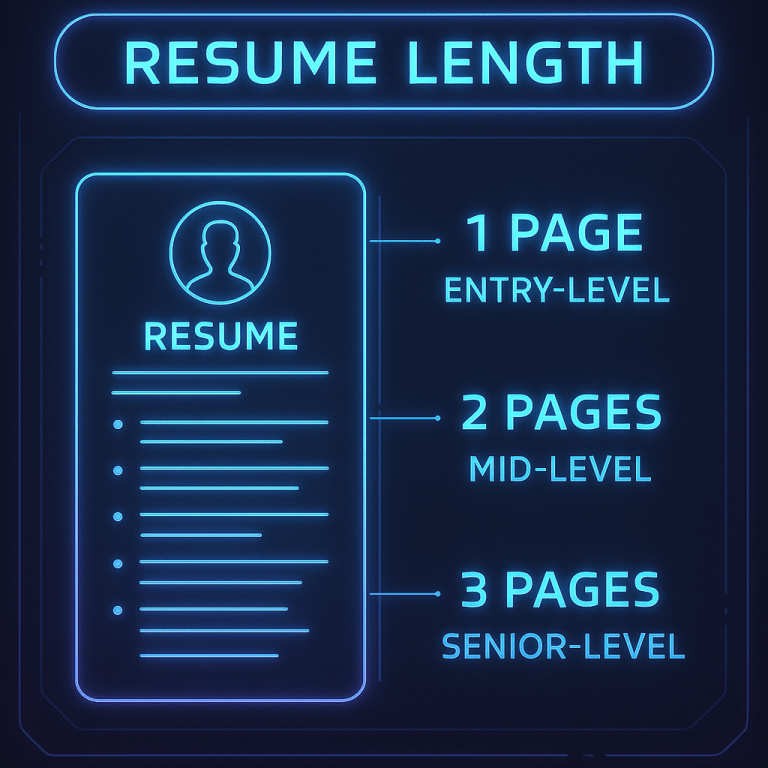
- Stick to one page unless you have 10+ years of highly relevant experience.
- Make key achievements stand out with strong verbs and concise bullets.
Step 5: Use Smart Tools to Streamline the Process
Tailoring your resume to every application can feel like a job in itself. That’s where AI can help.
Hello I’s resume optimization tools analyze job descriptions, surface the most important keywords, and suggest how to align your experience — without “inventing” content that isn’t there. You stay authentic, while the tool helps you emphasize the right parts of your background for each role.
This means you can apply smarter (not just harder), making sure each application counts.
A tailored resume shows employers that you understand what they’re looking for — and that you’re already speaking their language. By parsing the job description, aligning keywords naturally, showcasing measurable achievements, and leveraging AI tools like Hello I, you’ll boost your chances of landing an interview and moving one step closer to your next career move.