


Understanding the Nuances of Salary Negotiation
Before delving into the art of how to negotiate your salary via email, consider negotiating salary in person, or even over a video call, which offers significant advantages over email correspondence. Studies have consistently shown that face-to-face communication allows for a deeper understanding of intentions and emotions, crucial elements often lost in written exchanges.
For instance, a study published in the Journal of Experimental Social Psychology revealed that only 7% of communication effectiveness comes from the actual words used, while 38% comes from tone of voice and 55% from nonverbal cues like facial expressions and body language.

Another research paper from the University of Chicago found that negotiations conducted face-to-face resulted in more favorable outcomes for both parties compared to those held via email.
Tips When Negotiating Salary via Email
If in-person or video calling are not possible, negotiating your salary via email may be the next best option. Since email negotiations will lack tone and body language be hyper-aware of misinterpretation. Research has shown that only a small portion of communication effectiveness comes from the actual words used in written communication, emphasizing the importance of compensating for these limitations. Therefore, it’s crucial to craft your messages with clarity and professionalism to avoid any misunderstandings.
Do Your Research Before Sending the Salary Negotiation Email
Researching industry standards for the position you’re negotiating for is paramount. Websites like Glassdoor, Payscale, and Salary.com offer valuable insights into average salaries for various roles based on factors like location, experience, and industry.
Once you have a grasp of industry benchmarks, it’s essential to evaluate your own qualifications and contributions. Platforms like Helloi.ai can help you analyze not only your resume, but all your experiences, growth and achievement stories, comparing them with all the other professionals, the job description, and identify the areas that set you aside, and guiding you on all the aspects to highlight to make you successful in your negotiation.

Salary Is Not the Only Thing to Consider in a Job Offer
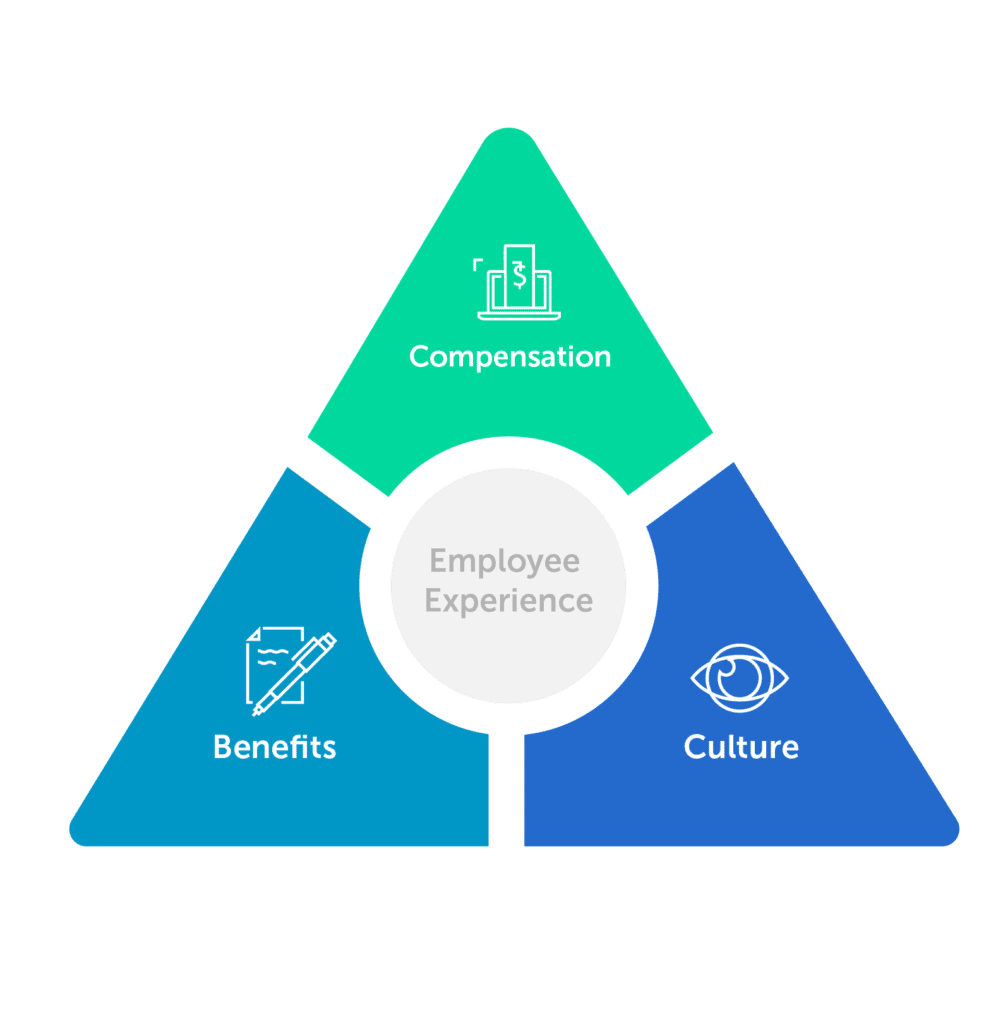
When evaluating a job offer or engaging in salary negotiation, it’s crucial to assess the entire compensation package, not just the salary. While base pay is significant, other factors contribute to overall job satisfaction and financial well-being.
Breaking Down Compensation Packages
Compensation consists of many other facets than just the base salary number. When evaluating a job offer, it’s essential to look beyond the salary and consider the entire compensation package and other elements of the job, which includes the following:
1. Review the full Salary
- Base Salary: Compare the offered salary range to industry benchmarks and your financial needs.
- Performance-Based Bonuses: Look for bonus structures tied to individual or company achievements.
- Salary Progression: Clarify opportunities for raises or promotions based on tenure and performance.
2. Check out the full Benefits Packages
- Healthcare Coverage: Assess the medical, dental, and vision insurance quality.
- Retirement Plans: Look for employer-matched 401(k) or pension plans.
- Stock Options: Consider equity grants for long-term financial stability.
3. Consider the Work-Life Balance
- Vacation Time: Check the number of PTO days and any restrictions.
- Flexible Arrangements: Ask about remote work, flexible hours, or compressed schedules.
- Family-Friendly Policies: Review parental leave or childcare support.
4. Think about Future Career Advancement
- Training Opportunities: Explore workshops, courses, or tuition reimbursement programs.
- Mentorship Programs: Seek guidance and support through mentorship or coaching.
- Promotion Prospects: Look at the company’s promotion track record.
5. Figure out the Company Culture
- Values and Mission: Ensure alignment with your beliefs and career goals.
- Team Dynamics: Evaluate collaboration and communication practices.
- Employee Satisfaction: Research reviews or testimonials on morale and work environment.
Example Email for How to Negotiate a Salary Offer
Crafting a salary negotiation email requires a delicate balance of professionalism, clarity, and assertiveness. Unlike face-to-face communication, where tone and body language can reinforce your message, email negotiations hinge entirely on carefully chosen words to convey confidence and value. This method necessitates a thoughtful approach to structure and tone, ensuring your message remains professional while effectively presenting your case. Below is an example salary negotiation email:
Subject Line: Excited to Discuss [Position Title] Role
Dear [Hiring Manager’s Name],
I hope this message finds you well. I want to express my gratitude for the opportunity to discuss the [Position Title] role at [Company Name]. I’m incredibly excited about the possibility of contributing to the team’s success.
I’ve been inspired by [Company Name]’s dedication to [specific values or recent achievements], which align perfectly with my professional aspirations.
In reviewing industry benchmarks for similar positions, the typical salary range falls between [insert range]. Considering my experience in [relevant skills/experience], including [specific achievements], I feel that positioning closer to the higher end of this range reflects the value I bring to the role.
That said, I look forward to exploring all components of the compensation package, including benefits and development opportunities, to find a mutually beneficial solution.
Thank you again for your consideration. I’m eager to discuss how I can contribute to [Company Name]’s success.
Warm regards,
[Your Name]
[Your Contact Information]
What To Expect After You Send the Email
Practice Patience
Waiting can be tough, but it’s crucial to allow employers time to evaluate your proposal. Patience signals confidence and professionalism during the salary negotiation process.
Prepare for Counteroffers
Employers often counter salary requests. Take time to thoughtfully consider any counteroffer, reiterating your research and justifications if needed.
Confirm the Agreement
Once terms are finalized, request written confirmation outlining the agreed-upon details. Follow up with a thank-you email to express appreciation for the opportunity.
Summary
Mastering how to negotiate salary requires strategic thinking and clear communication. By understanding the compensation package, preparing a compelling case, and using a patient and professional approach, you can achieve your negotiation goals effectively.