

The Importance of Organizational Skills
Mastering organizational skills is not just advantageous; it’s essential for navigating the complexities of the modern professional landscape. In today’s fast-paced and dynamic work environment, where demands are constantly shifting and expectations are high, being organized is akin to possessing a superpower.
At its core, organizational prowess empowers individuals to maintain clarity amidst chaos. It’s the ability to methodically arrange tasks, deadlines, and resources in a coherent manner, allowing for seamless navigation through the daily deluge of responsibilities. Whether you’re juggling multiple projects, attending back-to-back meetings, or managing a diverse team, strong organizational skills serve as the cornerstone of efficiency and effectiveness.
Set Yourself Up for Success
Before you can tackle your tasks effectively, you need to set the stage. Creating an environment conducive to success involves more than just having a tidy workspace; it requires a deliberate approach to organization and optimization across both physical and digital realms.
Consider Your Workspace
To begin with, let’s address the physical workspace. Whether it’s a traditional desk setup or a remote workstation, the importance of a clutter-free environment cannot be overstated. Picture this: a clean desk with only the essentials in sight, a comfortable chair, and adequate lighting. This is the foundation upon which productivity flourishes. By removing unnecessary items, establishing a logical filing system, and ensuring that everything has its designated place, you’re not just tidying up; you’re creating a sanctuary for focus and efficiency.

Consider Your Digital Workspace
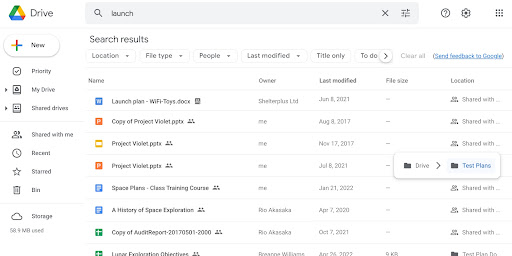
But setting the stage for success goes beyond mere tidiness; it’s about optimizing your digital ecosystem as well. Your computer desktop is the digital equivalent of your physical workspace, and just like its tangible counterpart, it requires careful curation. Take the time to organize your files into folders, declutter your desktop icons, and streamline your digital workflow (try to use Google drive or Microsoft OneDrive). This not only enhances your ability to locate files quickly but also minimizes digital distractions, allowing you to maintain laser-like focus on your tasks. You can also use AI to automatically organize and interact with all your documents.
Consider Decluttering for Increased Productivity
Periodic decluttering is essential for sustaining productivity and fostering creativity over the long term. Just as you wouldn’t let physical clutter accumulate indefinitely, neither should you allow digital detritus to overrun your virtual workspace. Set aside time at regular intervals to purge unnecessary files, archive completed projects, and reevaluate your organizational systems. Not only does this practice prevent information overload, but it also creates mental space for new ideas to flourish and innovation to thrive.
The benefits of decluttering extend far beyond mere organization; they encompass mental clarity, stress reduction, and a renewed sense of purpose. When your physical and digital environments are free from chaos and confusion, you’re better equipped to tackle challenges with confidence and creativity. You’ll find that decision-making becomes more streamlined, problem-solving becomes more efficient, and overall, your work becomes more fulfilling.
Setting yourself up for success is not a one-time event; it’s an ongoing process of optimization and refinement so to start mastering your organizational skills. By cultivating a clean, organized, and clutter-free environment, both physically and digitally, you pave the way for productivity, creativity, and overall well-being. So, take the time to declutter, organize, and streamline your workspace—it’s not just a matter of tidiness; it’s a recipe for success in every aspect of your professional and personal life.
2. Get into action
Begin Task Management with a To-Do List
Creating to-do lists might seem like a simple suggestion, but the act of writing down your tasks can significantly enhance your organizational prowess. Now… what to do? First things first, generally your to-do list will continue to evolve, it will be a “living” being, thus it’s important to choose where to create it.
How to Write a To Do List
Step #1: Decide if you want your to do list on paper or a digital option
Step #2: capturing all your tasks and commitments in one list
Step #3: Consider breaking down larger tasks into smaller, actionable steps
Step #4: categorize the tasks to help organize your tasks that aligns with your workflow & priorities
Step #5: prioritize & choose where to start
How to Prioritize a To Do List
One powerful technique for prioritization is the Eisenhower Matrix, named after former U.S. President Dwight D. Eisenhower. This matrix categorizes tasks into four quadrants based on their urgency and importance.
Tasks are divided into four categories:
- urgent and important
- important but not urgent
- urgent but not important
- neither urgent nor important
Urgent and important tasks require immediate attention and should be dealt with promptly. Important but not urgent tasks should be scheduled and given appropriate time and attention to prevent them from becoming urgent. Urgent but not important tasks can often be delegated or postponed, while tasks that are neither urgent nor important should be eliminated or minimized to free up time for more meaningful activities. By using the Eisenhower Matrix, you can gain clarity on which tasks truly matter and allocate your time and energy accordingly.

Example To Do List Download
You should come up with something like the Planning tool below (download it for free here)

Now you have your masterplan on what to do first, congrats! Incorporating time-blocking techniques into your to-do list can further enhance productivity and time management. Time-blocking involves allocating specific blocks of time to different tasks or categories throughout your day. By scheduling dedicated time slots for various activities, you can ensure that important tasks receive the attention they deserve and minimize the risk of procrastination or distraction.
Ensure you prioritize focusing on one task at a time. Contrary to popular belief, multitasking doesn’t involve doing multiple tasks simultaneously; rather, it means efficiently handling various tasks throughout the day. Concentration is your most valuable asset for accomplishing tasks optimally and swiftly. By channeling your focus, you can maximize productivity and achieve your goals in the most efficient manner.
Set goals for Your To Do List Tasks
Setting daily goals for your tasks is crucial for maintaining focus, motivation, and productivity. Each day presents a fresh opportunity to make progress towards your larger objectives, and setting specific goals helps to channel your efforts in a purposeful direction. By defining clear objectives for the day, you create a roadmap for success, guiding your actions and decisions towards tangible outcomes.
Moreover, daily goals provide a sense of structure and accountability, helping you prioritize tasks and manage your time effectively. Whether it’s completing key deliverables, making progress on a project, or tackling important errands, setting daily goals ensures that you make the most of each day and move closer to your overarching goals.
3. Useful tools
Time Management Techniques
It’s vital to recognize that time is your most precious resource. Techniques such as the Pomodoro Technique (read here to know more)can help you manage it more efficiently. By working in focused bursts with short breaks in between, you’ll be able to maintain your energy levels and concentration throughout the day.
- Todoist: Todoist is a popular task management app that allows you to create to-do lists, set deadlines, and prioritize tasks using features like labels, filters, and reminders. It also offers a “Karma” system that tracks your productivity and provides insights into your task completion habits.
- Forest: Forest is a productivity app that uses gamification to help you stay focused and avoid distractions. You plant virtual trees when you start a task and they grow as long as you stay focused. If you leave the app, your tree dies, encouraging you to stay on task.
Leveraging Technology
In an era of endless apps and tools, there’s no shortage of technological help for organizing your workday. Digital calendars, project management software, and cloud storage solutions can streamline your workflow and keep your files accessible from anywhere. Take advantage of these tools, but don’t forget to periodically reassess their effectiveness for your needs. Ensure that the technology serves you, not the other way around. A couple of organizational tools:
- Trello: Trello is a popular project management tool that uses boards, lists, and cards to help you organize tasks and collaborate with team members. It’s highly customizable, allowing you to create workflows that suit your specific needs and preferences.
- Helloi.ai: “Hello I” is your Personal AI to skyrocket your career. You can store all your data and have the AI retrieve it and connect all the dots with a simple request. And every-time you will look for a job, “Hello I” will automatically create the perfect Resume (we call it Digital Vitae) per each job application, giving you 3x more chances to be hired.
Continuous Improvement
Finally, organizational skills are not a one-time setup. They require constant refinement and adjustment in response to changing work demands and personal growth. Regularly evaluate the effectiveness of your organizational system, and be willing to adapt your methods as needed. By committing to continuous improvement, you’ll keep your skills sharp and your workday running smoothly.
In conclusion, honing one’s organizational skills is an ongoing process that pays dividends in increased productivity, reduced stress, and enhanced career progression. By understanding the importance of these skills and implementing strategies to improve them, individuals can set themselves up for substantial success both professionally and personally.