
When home becomes your office, focus and structure can quickly unravel. But with the right habits in place, working remotely can actually boost employee productivity and enhance work-life balance.
Understanding Procrastination
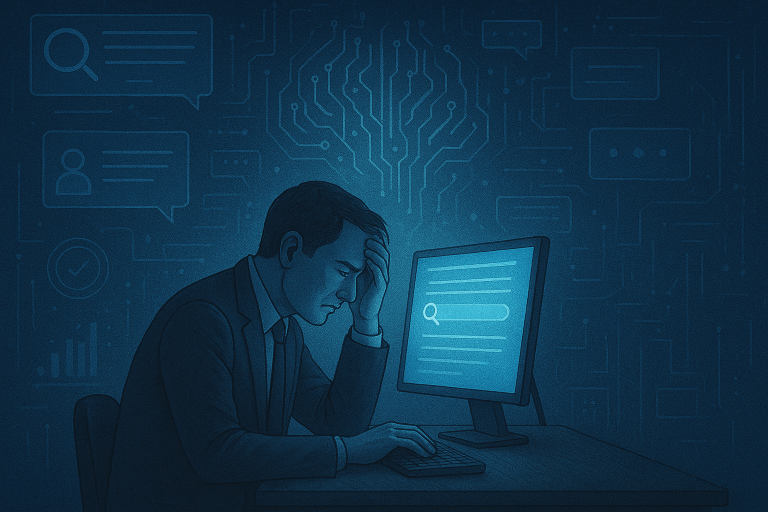
Procrastination is a common challenge that many individuals face when working from home. It can significantly hinder productivity and lead to stress. Psychological research has shown that procrastination is often linked to negative emotions. A study by Pychyl and Sirois in “The Wiley Handbook of Procrastination” indicates that procrastination is a form of self-regulation failure associated with task aversion and a temporal disconnect between the present self and future self. How can you find out if you are a procrastinator? Here are some signs:
- Easily distracted
- Missed deadlines
- Stress
- Depression
- Feeling overwhelmed
6 Tips to Stay Focused & Improve WFH Productivity
Here are six universal productivity tips to help you stay motivated, efficient, and balanced—no tools required.
1. Set Boundaries That Mirror a Real Workday
One of the most effective productivity hacks is defining when work starts and ends. A consistent routine helps signal your brain it’s time to shift into focus mode—and just as importantly, when to disconnect. Establishing this rhythm builds structure into otherwise flexible days and boosts long-term employee productivity.
2. Design a Dedicated Work Zone
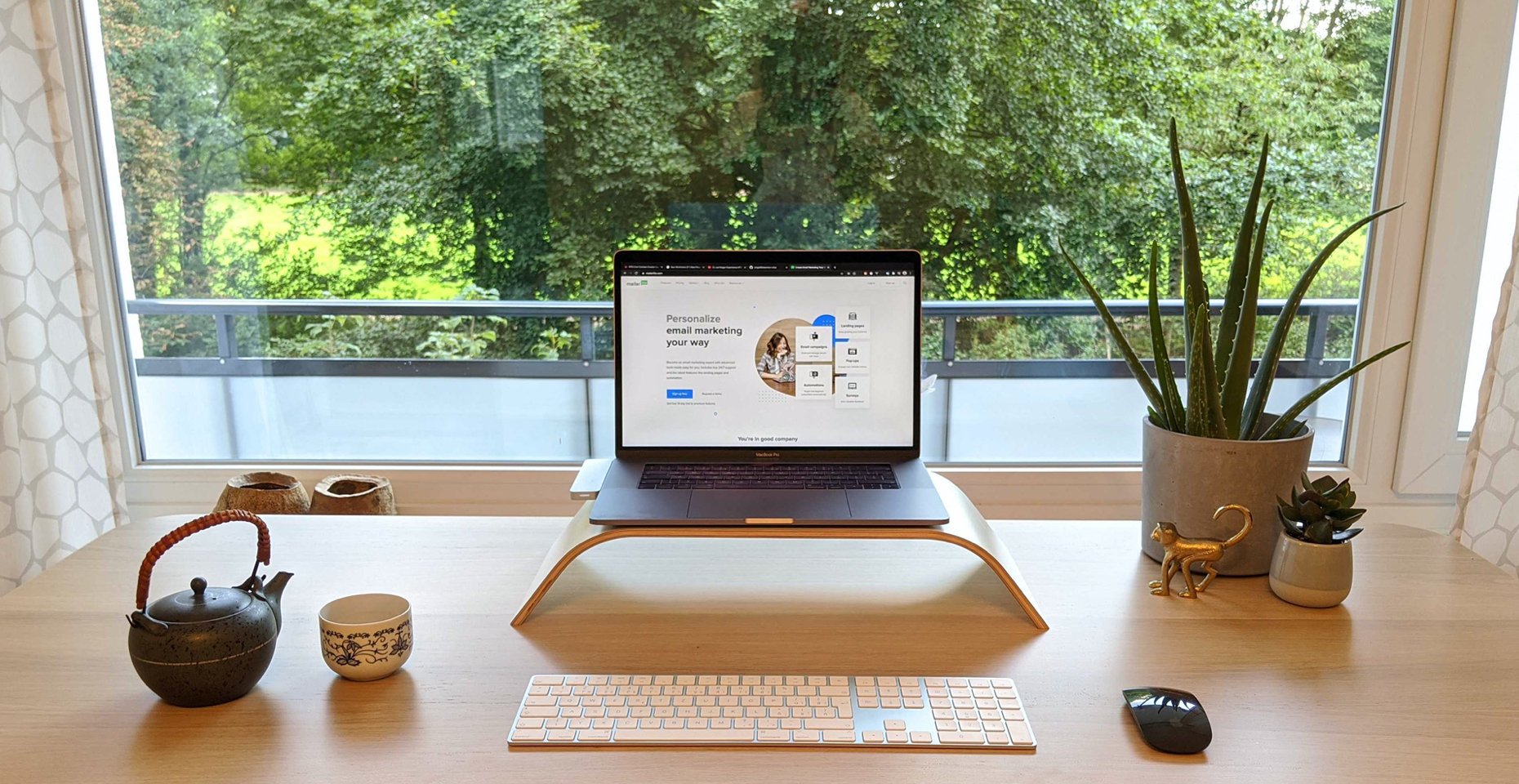
A clutter-free, purpose-driven workspace tells your brain it’s time to get things done. Even if it’s a small table or a quiet corner, maintaining physical separation between “work” and “life” helps sharpen concentration, reduce distractions, and create a boundary that supports mental clarity.
3. Prioritize with Intent Every Morning
Start your day by identifying your top priorities. Choose three tasks that, if completed, would make the day feel productive and successful. These focused targets help reduce overwhelm, eliminate decision fatigue, and make your efforts feel intentional—especially helpful when juggling multiple responsibilities remotely.
Tip: Set specific goals with SMART principles. Goals are more effective when they are Specific, Measurable, Achievable, Relevant, and Time-bound (SMART). According to Locke and Latham’s goal-setting theory, clear and challenging goals lead to higher performance. By translating large objectives into SMART goals, you can create a step-by-step plan that encourages progress and maintains motivation.

4. Batch Your Tasks for Maximum Efficiency
Grouping similar tasks—like responding to emails, attending meetings, or doing deep work—minimizes context-switching and keeps your brain in the zone. This simple strategy is one of the most underrated productivity tips: it saves time, preserves energy, and makes the most of your mental momentum.
Additional tip: Try the Pomodoro Technique. The Pomodoro Technique, developed by Francesco Cirillo, is widely used and supported by anecdotal evidence of its effectiveness in boosting productivity.It involves breaking work into intervals, traditionally 25 minutes in length, separated by short breaks. The technique aims to improve focus and productivity by dividing tasks into manageable chunks of time. After four “pomodoros” (or work intervals), a longer break of around 15-30 minutes is taken. This method helps combat procrastination and maintain mental freshness throughout the workday.
- Set a Timer: Choose a task and set a timer for 25 minutes, known as a “pomodoro.”
- Work Intensely: Focus solely on the task at hand during the pomodoro, avoiding distractions.
- Take Short Breaks: After each pomodoro, take a short 5-minute break to rest and recharge.
- Repeat Pomodoros: Continue this cycle of work and breaks. After four pomodoros, take a longer break of 15-30 minutes.
- Track Progress: Use a notebook or app to track completed pomodoros and tasks.
- Adapt to Tasks: Adjust pomodoro lengths based on task complexity. Longer tasks may require multiple pomodoros.
- Eliminate Distractions: During work intervals, silence notifications and close unnecessary tabs or apps.
- Use Pomodoro Tools: There are various apps and timers designed specifically for the Pomodoro Technique to help manage intervals (like: Forest App, Focus Booster, Pomodone, Be Focused App)
5. Take Breaks That Recharge, Not Just Distract
Step away from your screen regularly, but choose breaks that refresh your body and mind. Whether it’s a short walk, a stretch, or a few minutes of silence, intentional pauses can recharge your focus and stave off burnout—crucial for sustainable employee productivity.
6. Reflect Weekly to Continuously Improve
At the end of each week, look back at what helped you stay productive—and what derailed you. Regular reflection creates awareness around your habits, helps you fine-tune your personal workflow, and keeps progress moving forward. It’s one of the simplest ways to level up your productivity tools—without ever downloading a thing.
Additional Technology to Help Productivity
To aid in productivity and address procrastination, digital tools offer valuable assistance. Platforms like “Hello I” (https://helloi.ai) can improve your productivity tenfold, thanks to the use of AI to your day to day work. Apps like Trello (https://trello.com) streamline task management through visual boards, and Asana (https://asana.com) helps coordinate team projects effectively. On the other hand, Cold Turkey (https://getcoldturkey.com) can block distracting websites, enabling better focus during work hours. These tools, when used judiciously, can integrate seamlessly into a productive workflow.
Exercise for a Healthy Brain
Research in the “International Journal of Workplace Health Management” shows that workplace exercise contributes to reduced stress and improved work performance. Alongside exercise, resources like the Calm app (https://www.calm.com) and Headspace (https://www.headspace.com) offer guided mindfulness exercises that can promote mental well-being and, in turn, improve productivity. Remember, you don’t need to do a lot of exercise, but just try to be constant and do it every day. That’s all it takes!
Final Thoughts: Productivity Isn’t One-Size-Fits-All
True efficiency isn’t about squeezing more into your day—it’s about doing what matters most with focus and clarity. By applying these foundational productivity tips, you can build a system that feels natural, sustainable, and tailored to your work-from-home lifestyle.
Sources:
- Pychyl, T. A., & Sirois, F. M. (Eds.). (2016). The Wiley Handbook of Procrastination. Wiley.
- Locke, E. A., & Latham, G. P. (1990). A Theory of Goal Setting & Task Performance. Prentice-Hall, Inc.
- Journal of Environmental Psychology
- Francesco Cirillo
- Simply Psychology – Operant Conditioning
- International Journal of Workplace Health Management