
Understanding the Importance of Meeting Notes & Minutes
Meeting minutes are an essential tool for capturing the essence of what was discussed and decided during a meeting. They serve as a formal record that can be referred back to by attendees and non-attendees alike to understand the outcomes and actions required. Good minutes can ensure that everyone is on the same page, reduce misunderstandings, and provide a historical document for future reference.
Preparing for Minute Taking
- Understand the Agenda: Before the meeting begins, ensure you have a clear understanding of the agenda. This will help you stay focused and contribute effectively to the discussion.
- Familiarize Yourself with Topics: Take the time to familiarize yourself with the topics that will be discussed. Review any related documents or background information to be well-prepared.
- Know the Attendees: If possible, obtain a list of attendees ahead of time. This allows you to understand who will be present, their roles, and how they might contribute to the conversation. It can also help you tailor your questions or comments more effectively.
- Prepare Your Materials: Bring all necessary materials for taking notes – or let Helloi.ai automatically do it for you (go to next paragraph to learn more). This could be a laptop, tablet, or traditional pen and paper. Choose the method that works best for you to stay organized and ensure you capture important points.
- Clarify Recording Methods: Make sure to clarify any recording methods or tools that the group prefers to use. Whether it’s audio recording, video conferencing tools, or note-sharing platforms, knowing this in advance helps avoid any technical issues during the meeting.
- Set Goals and Objectives: Outline your personal goals and objectives for the meeting. Determine what you want to achieve, whether it’s gaining specific information, making a decision, or contributing to a discussion. This will keep you focused and engaged.
- Review Previous Meeting Notes: If this meeting is part of a series, review the notes and action items from the previous meetings. This will help you follow up on outstanding issues and show that you are organized and committed to the project or topic.
- Prepare Questions and Comments: Think about the topics to be discussed and prepare any questions or comments you might have. Having these ready in advance will make you more confident and ensure that you don’t forget any important points during the meeting.
- Plan Your Time: Allocate enough time before the meeting to review materials, gather your thoughts, and arrive (or log in) a few minutes early. This will help you start the meeting with a clear mind and a focused approach.
- Test Technology: If the meeting involves technology (such as a virtual meeting platform), test your equipment beforehand. Ensure your internet connection is stable, your camera and microphone are working, and you know how to use the platform’s features.
By taking these steps, you’ll be well-prepared for any meeting, able to contribute effectively, and positioned to achieve your goals.

Key Components of Meeting Notes & Minutes
The basic components of meeting minutes usually include the following:
- Date and time of the meeting: Clear identification of when the meeting took place.
- List of attendees: A list of all participants as well as a note of any absentees.
- Agenda items: An account of all the topics that were planned to be discussed.
- Actions and decisions: A record of what decisions were made and what actions were agreed upon, including who is responsible for each action.
- Discussions: A brief overview of the discussions that led to decisions and actions, providing context.
- Next steps: Identification of upcoming steps, including scheduling of the next meeting, if applicable.
Techniques for Effective Minute Taking
Effective minute-taking involves being prepared and you will have two major ways: (i) Manual (ii) Let Helloi.ai take care of all the aspects.
Manual Meeting Notes
- Practice Active Listening: Effective minute-taking begins with active listening. Pay close attention to the discussion, identifying and noting key points, decisions, and action items.
- Discern Key Points: Focus on capturing the essence of the conversation. Record major themes, decisions, and assignments rather than trying to transcribe everything verbatim.
- Use Shorthand and Abbreviations: Develop a system of shorthand or abbreviations that allows you to keep up with the flow of the conversation. This can help you capture information quickly and efficiently.
- Stay Objective: Your notes should be objective and free from personal comments or judgments. Record the facts and decisions as they are discussed without adding your own opinions or interpretations.
- Write in Past Tense and Active Voice: It is more efficient and clearer to write minutes in the past tense and in an active voice. For example, “The committee approved the budget” is clearer and more concise than “The budget was approved by the committee.”
- Seek Clarification: If any point is unclear, don’t hesitate to ask for clarification during the meeting. This ensures that your notes are accurate and complete.
- Summarize Discussions: Instead of writing down everything, summarize the key points of the discussion. Focus on outcomes, decisions, and next steps.
- Highlight Action Items: Clearly highlight any action items, including who is responsible for each task and the deadlines. This helps in tracking follow-ups and accountability.
- Review and Edit Your Notes: After the meeting, review and edit your notes for clarity and completeness. Ensure that they are well-organized and easy to understand.
- Distribute Minutes Promptly: Send out the minutes to all relevant parties as soon as possible after the meeting. Timely distribution helps keep everyone informed and on the same page.
- Maintain Confidentiality: Ensure that any sensitive or confidential information discussed during the meeting is handled appropriately and shared only with authorized individuals.
- Use Templates: Consider using a standard template for your meeting minutes. This helps maintain consistency and ensures that you don’t miss any important sections.
AI tools & Meeting Management Software for Note Taking
There is an easier way to take great meeting minutes: let HelloI do it for you. Here a brief step by step guide:
- Step 1: Open a free “Hello I” accounting by clicking on sign up or “create an account” from the home page.

- Step 2: Once the meeting starts, click on “Quick Note” at the top right of your user home page.
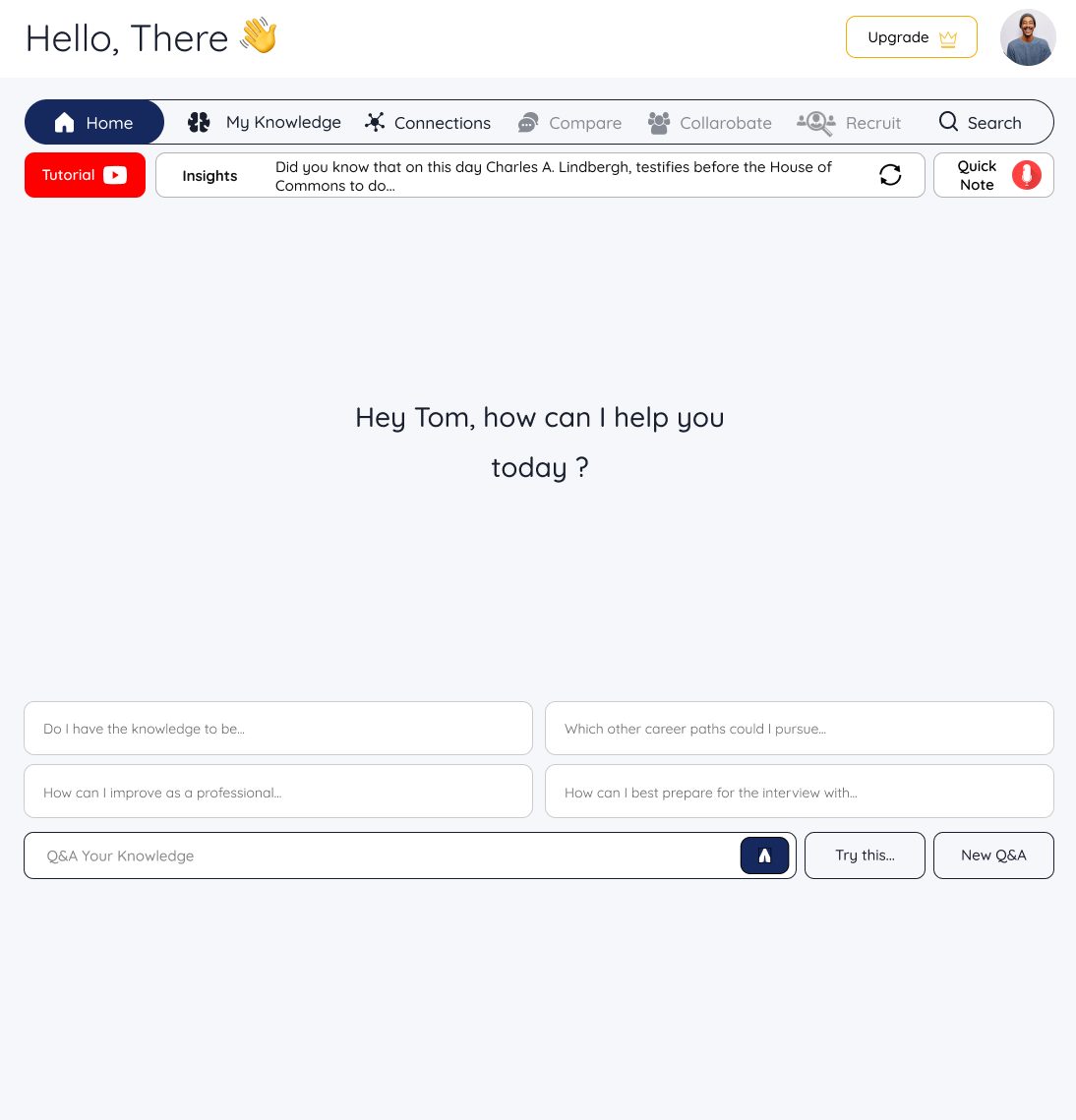
- Step 3: HelloI will record and transcript the whole meeting. Everything that will be said will be stored in your Personal account
- Step 4: Once the meeting ends, you can Save the recording, chose where to save it and whether to make it private (by clicking on the lock); you can even add additional documents.

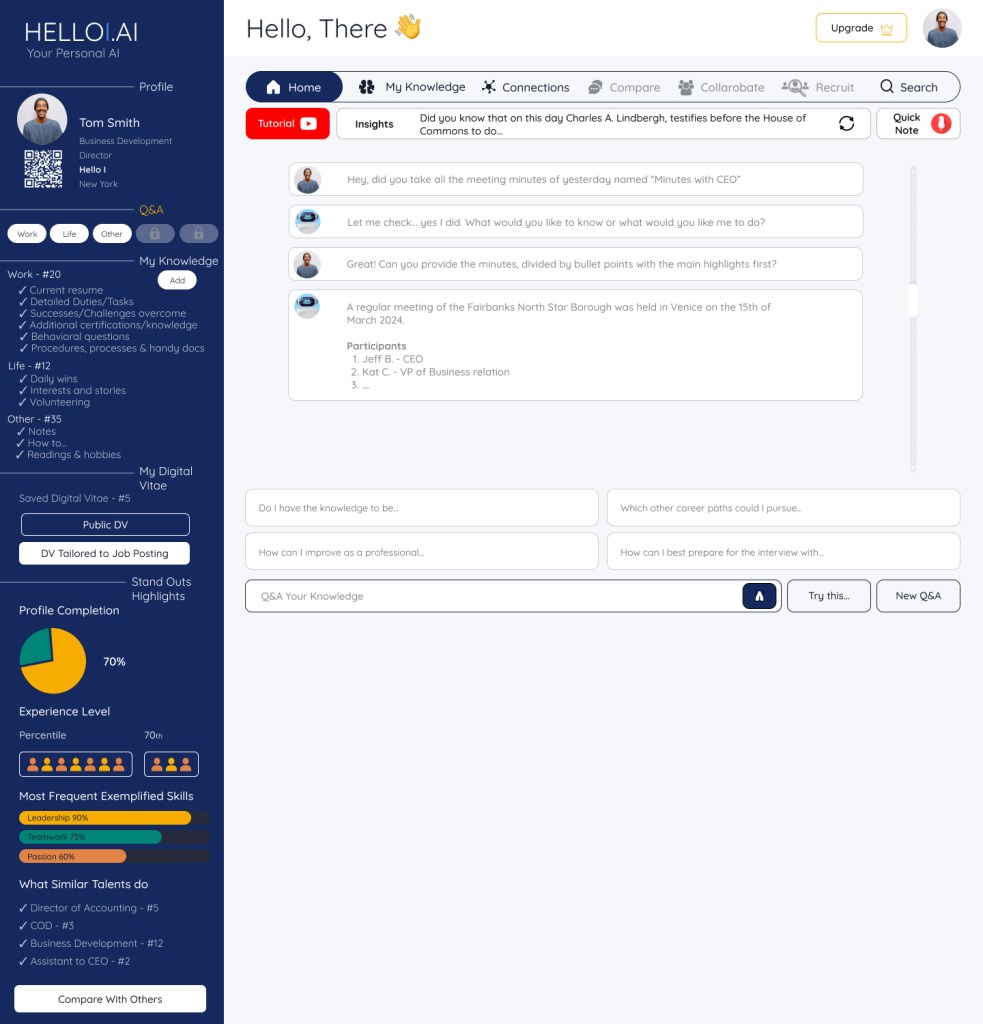
You can ask HelloI to save your meeting minutes, make summaries, include highlights of the most important points, etc.
Best Practices for Maintaining Meeting Records
Securely store minutes and associated documents in a location where they can be easily accessed by authorized personnel – Helloi.ai allows you to securely store and share all your meeting minutes. Digital storage solutions, such as cloud services, can make sharing and archiving more efficient. Be sure to establish a consistent filing system so that records are maintained in an organized manner. This can greatly assist in maintaining transparency and accountability over time.
Legal and Ethical Considerations
Bear in mind that meeting minutes may be used for legal purposes or serve as an official record of organizational history and decisions. Therefore, it is crucial for the minute taker to be accurate, impartial, and thorough. Always be conscious of the need to protect sensitive information, and follow the organization’s confidentiality guidelines.
By honing your meeting minute skills and following these basic principles, you will contribute to the effectiveness and productivity of your organization’s meetings, ensuring that every member – present or absent – remains informed and aligned with the meeting’s outcomes.