Understanding the Importance of Professional Goals
Setting professional goals is paramount to laying the groundwork for your career. Goals provide direction, motivation, and a clear path to track your progress. They act as the mileposts by which you measure how far you’ve come and how far you have yet to travel in your professional journey. Establishing ambitious yet achievable goals ensures that you remain focused and driven, fostering both personal and professional growth.
The Role of Professional Goals in Career Development & Success

According to a study by the Dominican University of California, individuals who write down their goals are 42% more likely to achieve them than those who do not. Goals help clarify your career aspirations, providing a sense of purpose and direction. They enable you to prioritize tasks, allocate resources effectively, and maintain motivation, especially when facing challenges.
Identifying Your Professional Career Aspirations
The starting point in crafting your professional goals is to identify your ultimate career aspirations. Begin with a broad vision of where you see yourself in the future. Do you aspire to reach a certain position within your industry? Are you aiming to develop a robust set of skills, or do you want to be seen as a leader in your field?
Reflect on your interests, strengths, and values to formulate goals that are not only beneficial for your career but also align with your personal sense of purpose.
Goals might include gaining experience in various business functions, developing leadership skills, and networking with industry leaders.
SMART Goals for a CEO
Setting SMART Goals for Job Satisfaction
Once you’ve established your aspirations, break them down into tangible objectives by using the SMART criteria. SMART goals are Specific, Measurable, Achievable, Relevant, and Time-bound:
- Specific: Be clear and precise about what you want to achieve.
- Measurable: Include criteria for measuring progress and success.
- Achievable: Make sure your goal is attainable with the resources and time you have.
- Relevant: Ensure that your goal aligns with your other objectives and larger career plans.
- Time-bound: Set a realistic deadline to create a sense of urgency and focus.
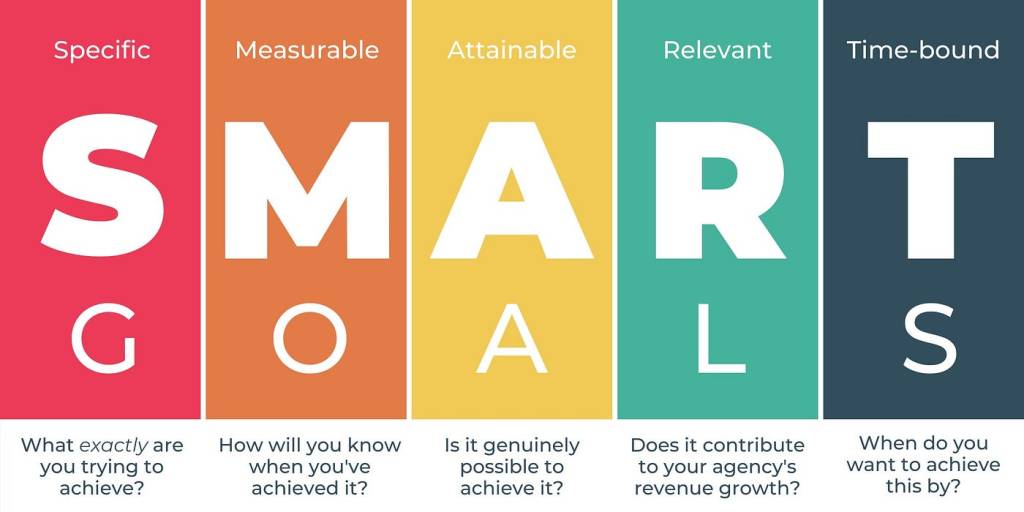
This method turns vague ambitions into a structured plan with clear steps and timelines. It ensures that you direct your efforts and resources efficiently.
Goal might include completing the Project Management Professional (PMP) certification by the end of the year by studying for two hours every weekday and taking a practice exam every month.
SMART Goals for a Project Manager
Creating a Goal-Driven Action Plan
With your SMART goals defined, it’s time to develop an action plan. For each goal, outline the specific actions required to achieve it. Determine what skills, knowledge, and resources you need to acquire and devise a step-by-step approach.
Remember to include milestones – interim achievements that signal progress. These smaller victories will provide motivation and help you maintain momentum. Keep your action plan flexible, as goals might evolve over time due to changes in the industry, your personal life, or your overarching career objectives.
Tracking Your Progress
Consistent tracking is vital to staying on course. Keep a goal journal, use a digital tracker, or conduct regular self-reviews to evaluate where you stand. Monitoring your progress helps you to identify obstacles early on and adjust either your strategies or goals to remain aligned with your ultimate aspirations.
Don’t forget to celebrate each significant milestone. The easiest way it to record every single “win” here, so to have them always at your fingertips. Recognition of your achievements, no matter how small, can provide an emotional and motivational boost that fuels further success.
Overcoming Challenges and Staying Adaptable
Inevitably, you will face challenges and setbacks on your journey to achieving your professional goals. Resilience and adaptability are critical traits that enable you to overcome such hurdles. Reflect on any setbacks to understand what went wrong and how you can avoid similar pitfalls in the future.
Seeking Support and Guidance in Career Planning
Do not underestimate the power of a support network. Mentors, peers, and professional networks can provide guidance, encouragement, and valuable insights. Sharing your goals with others creates a sense of accountability, and engaging with like-minded professionals can open up new opportunities and perspectives.
According to research by the Harvard Business Review, having a mentor can significantly impact your career success, providing you with the necessary guidance and support to navigate complex career decisions. Networking events, professional associations, and online communities are excellent resources for finding mentors and building a supportive network.
Real-Life Examples of Goal Setting Success
| Sheryl Sandberg, COO of Facebook | Elon Musk, CEO of SpaceX and Tesla |
|---|---|
| Early in her career, Sandberg set clear professional goals, including gaining experience in various business functions and building a robust professional network. Her dedication to her goals and her ability to adapt to new opportunities played a significant role in her rise to leadership. | Musk’s ambitious goal of reducing the cost of space travel and making human life multi-planetary has driven his career decisions and business ventures. By setting clear, long-term goals and breaking them down into actionable steps, Musk has achieved remarkable success. |
Conclusion
In conclusion, setting professional goals is a strategic and dynamic process that requires reflection, planning, and consistent action. By crafting SMART goals and approaching them with an adaptable, determined mindset, you can set the mark for a fulfilling and successful career. Keep striving, keep adapting, and let your professional goals be the compass that guides you toward your ultimate professional destination.