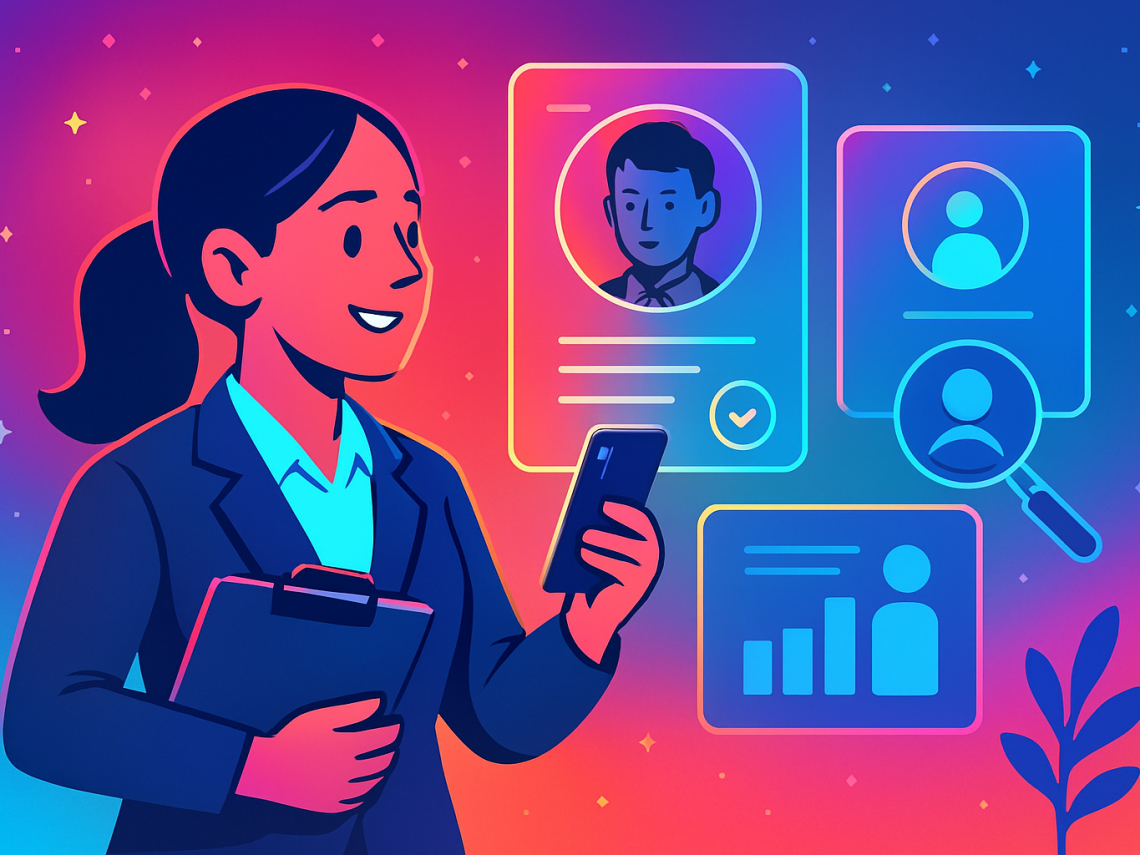


In today’s fast-paced world, businesses are constantly on the lookout for the best talent to drive their success. Traditional hiring processes can be time-consuming and prone to human biases, making it challenging to identify the ideal candidates. Enter smart hiring tools powered by artificial intelligence (AI), which revolutionize the way companies select and recruit top talent. This blog post explores how AI candidate selection is transforming the hiring landscape and helping organizations find the best candidates more efficiently and accurately.
The Rise of AI in Recruitment
The integration of AI in recruitment has been a game-changer for HR professionals and recruiters alike. AI-powered tools can sift through vast amounts of data, identify patterns, and make data-driven decisions, all within a fraction of the time it would take a human. This not only speeds up the hiring process but also ensures that the most qualified candidates are selected.
AI has made significant strides in recent years, and its application in recruitment has been a natural progression. Machine learning algorithms and natural language processing capabilities enable AI to understand and analyze resumes, job descriptions, and candidate profiles with remarkable accuracy. This level of sophistication allows AI to go beyond simple keyword matching and assess candidates based on their skills, experience, and potential fit for the role.
Use of AI in Resume Screening
One of the most tedious tasks for recruiters is screening resumes. AI-driven resume screening tools can analyze thousands of resumes in seconds, highlighting the most relevant ones based on predefined criteria. This ensures that only the best-suited candidates move forward in the hiring process. By automating this task, recruiters can save valuable time and focus on more strategic aspects of hiring.
Using AI to Help in Candidate Sourcing
AI-powered sourcing tools can scour the internet, job boards, and social media platforms to find potential candidates who match specific job requirements. These tools can identify passive candidates who may not be actively looking for a job but possess the skills and experience needed for the role. This proactive approach expands the talent pool and increases the chances of finding the ideal candidate.
How AI Helps with Interview Scheduling
Coordinating interviews can be a logistical nightmare. AI-driven scheduling tools can automate this process by finding mutually convenient times for both candidates and interviewers, sending calendar invites, and even sending reminders. This not only streamlines the scheduling process but also enhances the candidate experience by reducing wait times and minimizing scheduling conflicts.
AI Predictive Analytics in Hiring
AI can analyze historical hiring data to predict which candidates are likely to succeed in a given role. By examining factors such as past job performance, skills, and cultural fit, AI can provide insights that help recruiters make more informed hiring decisions. This data-driven approach reduces the reliance on gut feelings and subjective judgments, leading to more objective and accurate candidate selection.
AI Analysis in Video Interviews
AI-powered video interview platforms can analyze candidates’ responses, facial expressions, and body language to assess their suitability for the role. These platforms can provide insights into candidates’ communication skills, confidence, and cultural fit. Additionally, AI can transcribe and analyze interview data, making it easier for recruiters to review and compare candidates.
How AI Helps with Diversity and Inclusion
AI-driven hiring tools can promote diversity and inclusion by removing unconscious biases from the recruitment process. By focusing on skills, experience, and qualifications rather than personal attributes, AI ensures that candidates are evaluated based on merit. This leads to a more diverse and inclusive workforce, which can drive innovation and business success.
The Benefits of AI Candidate Selection
- Efficiency: AI can process large volumes of data quickly, reducing the time-to-hire and allowing recruiters to focus on high-value tasks. This increased efficiency can also lead to cost savings, as recruiters spend less time on manual tasks and more time on strategic initiatives.
- Accuracy: AI-driven tools can identify the best candidates based on objective criteria, minimizing human biases that can affect the hiring process. By leveraging data and analytics, AI can provide a more accurate assessment of candidates’ skills and potential, leading to better hiring decisions.
- Cost-Effectiveness: By automating repetitive tasks, AI can lower recruitment costs and improve overall hiring efficiency. This cost-effectiveness is particularly valuable for small and medium-sized businesses that may have limited recruitment budgets.
- Enhanced Candidate Experience: With AI handling routine tasks, recruiters can spend more time engaging with candidates, providing a better overall experience. A positive candidate experience can enhance an organization’s employer brand and attract top talent.
- Scalability: AI-powered hiring tools can scale to meet the needs of organizations of all sizes. Whether a company is hiring for a few positions or conducting a large-scale recruitment drive, AI can handle the increased workload without compromising on quality or efficiency.
Real-World Examples
Several companies have already embraced AI-powered recruitment tools with impressive results. For example, a leading tech firm used an AI-driven resume screening tool to reduce their time-to-hire by 50%, while another organization leveraged predictive analytics to improve their employee retention rates.
In another case, a global consulting firm implemented AI-powered video interview platforms to assess candidates’ soft skills and cultural fit. This approach helped the firm identify high-potential candidates who may have been overlooked in traditional interviews. Additionally, a multinational corporation used AI-driven diversity and inclusion tools to build a more diverse workforce, resulting in increased innovation and business performance.
Overcoming Challenges and Ethical Considerations
While the benefits of AI in recruitment are undeniable, it is essential to address the challenges and ethical considerations associated with its use. One significant concern is the potential for algorithmic bias, where AI systems may inadvertently perpetuate existing biases in the data. To mitigate this risk, organizations must ensure that their AI tools are trained on diverse and representative data sets.
Transparency and accountability are also critical. Organizations should be transparent about their use of AI in recruitment and ensure that candidates understand how their data is being used. Additionally, companies must establish clear guidelines and ethical standards for the use of AI in hiring to prevent misuse and protect candidates’ privacy.
Conclusion
The future of recruitment lies in the hands of smart hiring tools and AI candidate selection. By harnessing the power of AI, companies can streamline their hiring processes, reduce costs, and ultimately find the best candidates for their roles. As AI technology continues to evolve, we can expect even more innovative solutions that will further enhance the way businesses identify and recruit top talent.
Incorporating AI into the recruitment process is no longer a luxury but a necessity for organizations looking to stay competitive in today’s talent-driven market. By embracing AI-driven hiring tools, companies can unlock new opportunities, drive business success, and build a workforce that is ready to tackle the challenges of the future.