


Understanding Emotional Intelligence (EQ)
Emotional intelligence, commonly abbreviated as EI or measured through an Emotional Intelligence Quotient (EQ), encompasses a spectrum of abilities crucial for navigating the complexities of human interactions. Rooted in the capacity to identify, comprehend, and regulate one’s own emotions, as well as empathize with and influence the emotions of others, EI plays a pivotal role in shaping personal and professional trajectories.
Daniel Goleman, a pioneering psychologist and author, brought the concept of emotional intelligence to the forefront with his groundbreaking work. In his seminal book “Emotional Intelligence: Why It Can Matter More Than IQ,” Goleman presents compelling evidence that EI often surpasses technical skills and cognitive abilities in predicting success in various domains of life. He emphasizes the importance of skills such as self-awareness, self-regulation, empathy, and social skills in fostering effective leadership, teamwork, and overall well-being.
The Four Sections of Emotional Intelligence (EI)
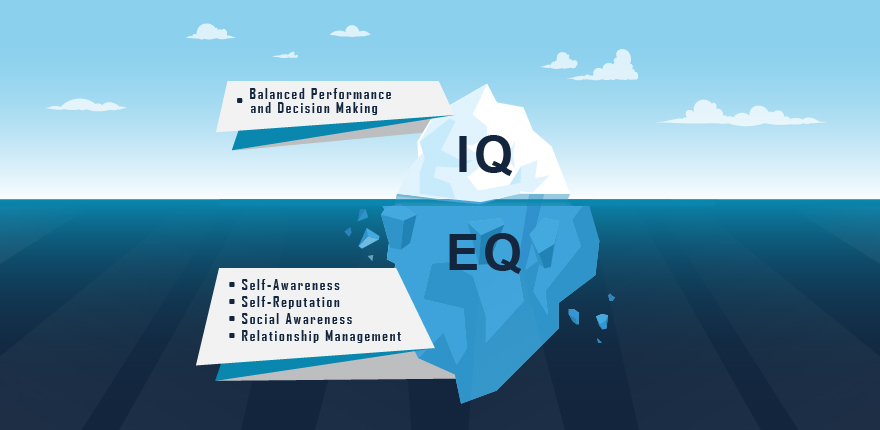
Their influential model delineates EI into four interrelated domains:
- Self-awareness
- Self-regulation
- Social awareness
- Relationship management
This framework serves as a roadmap for understanding and developing emotional competencies, highlighting the interconnectedness of intrapersonal and interpersonal skills in fostering emotional intelligence.
Why is Emotional Intelligence Important at Work?
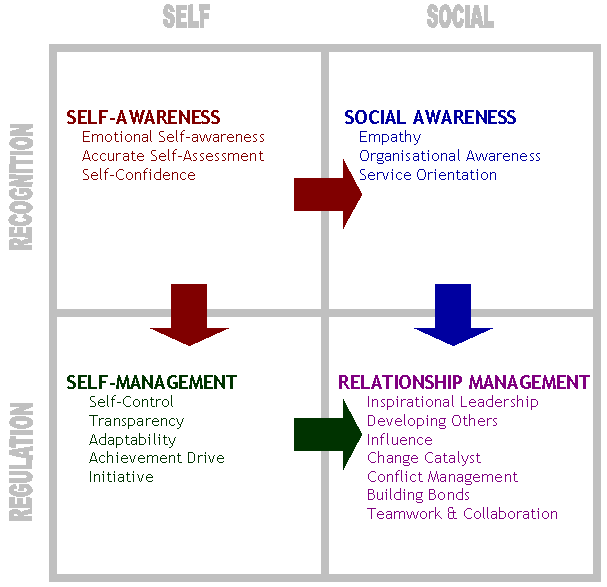
Research conducted in organizational settings has underscored the tangible benefits of cultivating emotional intelligence among employees and leaders. Studies have shown that individuals with higher EI tend to have:
- better job performance
- higher levels of job satisfaction
- stronger interpersonal relationships in the workplace.
Additionally, leaders with higher EI are more adept at inspiring and motivating their teams, navigating conflicts constructively, and fostering a positive organizational culture.
The implications of emotional intelligence extend beyond the workplace, influencing various aspects of life including relationships, health, and overall well-being. Cultivating EI has been linked to better mental health outcomes, greater resilience in the face of adversity, and enhanced interpersonal communication skills.
The Role of EI in the Workplace
In the workplace, emotional intelligence serves as a cornerstone for fostering a collaborative and thriving environment. Individuals with elevated levels of EI possess a remarkable capacity to navigate the intricate web of social dynamics inherent in organizational settings.
Beyond mere technical proficiency, they adeptly lead by example, inspiring others through their empathetic and insightful approach to interpersonal relationships. Moreover, employees with heightened emotional intelligence exhibit resilience in the face of adversity, demonstrating an unwavering ability to maintain composure and optimism amidst challenging circumstances.
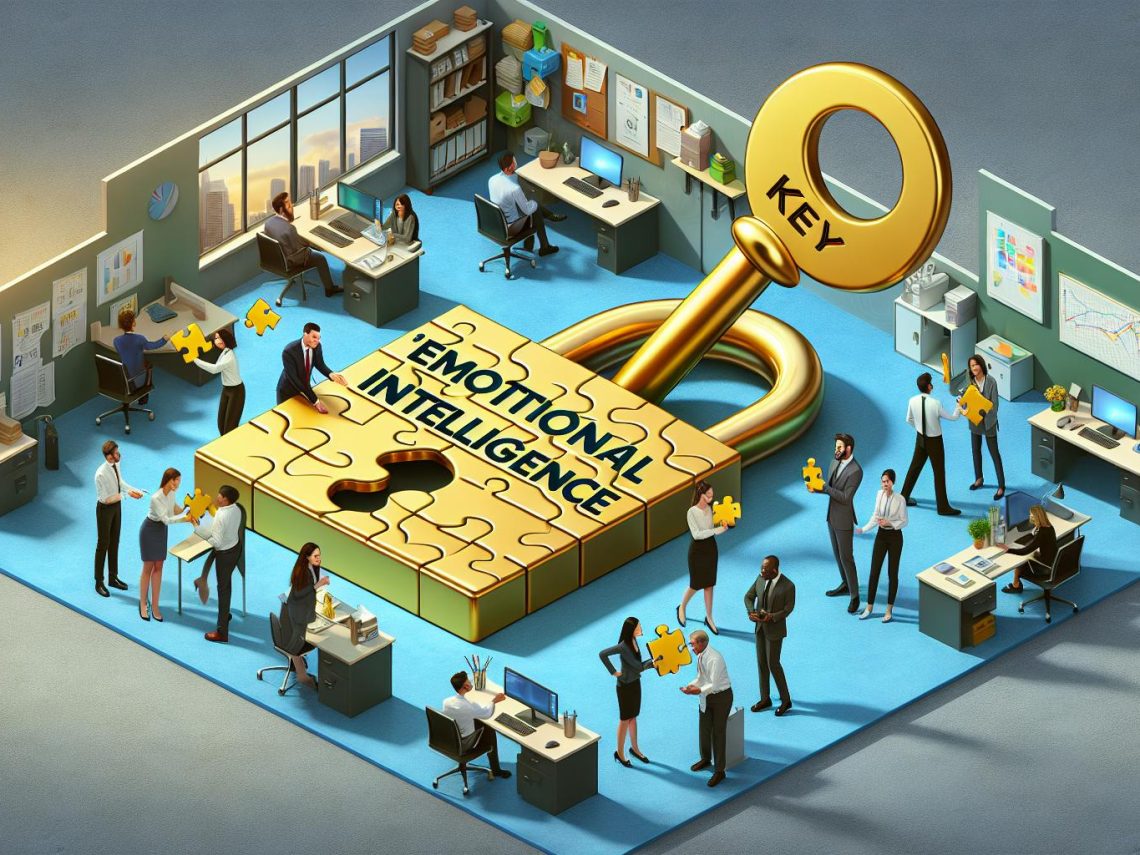
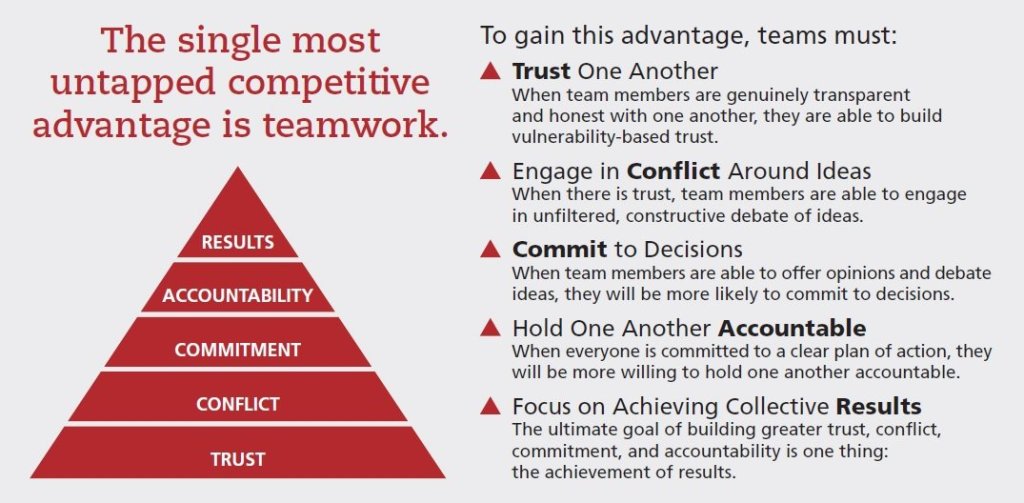
This ability to regulate emotions and manage stress constructively not only safeguards against workplace tensions but also cultivates a culture of mutual respect and understanding. By fostering an environment where each individual feels valued and appreciated, high EI individuals contribute significantly to bolstering team morale and cohesion – pushing teams to perform to their best thanks to gaining the five teamwork pillars shown in the picture below.
Their adeptness at conflict resolution and empathetic communication further enriches interpersonal dynamics, paving the way for enhanced collaboration and innovation.
Navigating Conflicts with EI
Conflicts are inevitable in any workplace, but approaching them with emotional intelligence can lead to positive outcomes for all involved parties. Emotional intelligence provides the tools to handle disagreements with a calm, rational mindset and allows employees to express and address issues without unnecessary escalation. An emotionally intelligent approach to conflict resolution can transform potential confrontations into opportunities for growth and understanding.
One way to practice emotional intelligence in conflict resolution is by cultivating self-awareness. Take time to reflect on your own emotions and triggers, and how they may influence your reactions during conflicts. For example, if you notice yourself becoming defensive or agitated during a disagreement with a colleague, pause and take a few deep breaths to center yourself before responding. Here is a useful map with steps to be made to resolve conflicts with EI:

Effective communication is also key to resolving conflicts with emotional intelligence. Use “I” statements to express your thoughts and feelings without blaming or accusing the other party. For example, instead of saying, “You never listen to my ideas,” try saying, “I feel frustrated when I don’t feel heard in team meetings.” This approach fosters a more open and constructive dialogue, where both parties feel valued and understood.
Additionally, practicing emotional intelligence involves being proactive in addressing conflicts before they escalate. If you notice tension brewing between team members, intervene early on to facilitate a discussion and find common ground. This could involve scheduling a team meeting to address the issue openly and collaboratively brainstorming solutions together.
The Impact of EI on Leadership – Examples
As already mentioned, leaders with high emotional intelligence possess a potent set of skills that enable them to inspire, guide, and empower their teams amidst dynamic and challenging environments. Central to their leadership prowess is their adeptness at motivating team members, fostering resilience, and facilitating adaptive responses to change.
Emotional Intelligence (EQ) Example 1 – Nelson Mandela
One exemplary leader who demonstrated remarkable emotional intelligence is Nelson Mandela, the former President of South Africa. Despite enduring years of imprisonment and facing immense adversity, Mandela maintained a calm and composed demeanor, inspiring hope and resilience among his followers. His ability to empathize with the perspectives of others, including his captors, and his commitment to reconciliation and forgiveness exemplify the principles of emotional intelligence in leadership.
Emotional Intelligence (EQ) Example 2 – Satya Nadella
Satya Nadella, the CEO of Microsoft, provides a compelling example of a leader who has demonstrated exceptional emotional intelligence in navigating organizational change. Under his leadership, Microsoft has undergone a cultural shift towards empathy, inclusion, and innovation. Nadella’s emphasis on empathy as a key leadership trait, his willingness to embrace change and take calculated risks, and his commitment to fostering a growth mindset among employees highlight the importance of emotional intelligence in driving organizational success.
Emotional Intelligence (EQ) Example 3 – Sheryl Sandberg
Sheryl Sandberg, the Chief Operating Officer of Facebook, is renowned for her exemplary leadership style rooted in emotional intelligence. Sandberg’s emphasis on fostering a culture of open communication, empathy, and collaboration within Facebook has contributed to the company’s success and innovation. Her resilience in the face of personal challenges, such as the loss of her husband, and her commitment to supporting and empowering others exemplify the qualities of emotionally intelligent leadership.
Emotional Intelligence (EQ) Example 4 – Melinda Gates
Melinda Gates, co-chair of the Bill & Melinda Gates Foundation, provides a compelling example of a leader who has leveraged emotional intelligence to drive social impact. Gates’ collaborative approach to leadership, her ability to connect with diverse stakeholders, and her commitment to addressing pressing global challenges with empathy and compassion exemplify the principles of emotionally intelligent leadership. Her focus on empowering women and marginalized communities, as well as her dedication to driving sustainable social impact, underscore the transformative potential of emotional intelligence in leadership.
Moreover, leaders with high emotional intelligence excel in navigating change with grace and agility. They recognize that change can evoke a range of emotions, including fear, uncertainty, and resistance, and proactively address these concerns through transparent communication, empathy, and support. Emotionally intelligent leaders cultivate an atmosphere of open communication and respect within their teams. Their approachability and reliability create a psychological safety net wherein team members feel comfortable expressing their ideas, concerns, and feedback openly.
Additionally, emotionally intelligent leaders possess a keen insight into the needs and strengths of their team members. They invest time and effort in understanding each individual’s aspirations, preferences, and developmental areas, and tailor their leadership approach accordingly. In essence, leaders with high emotional intelligence are adept at motivating, adapting, and empowering their teams to achieve collective success. Through their approachable demeanor, resilience in the face of change, and commitment to individual development, they create a culture of trust, collaboration, and innovation that propels the organization towards its strategic objectives.
Developing Your Emotional Intelligence
Fortunately, emotional intelligence is not an innate trait but a set of skills that can be developed and refined over time. By being more self-aware, practicing mindful listening, and learning to manage one’s emotions effectively, individuals can boost their emotional intelligence (EI). Furthermore, there are many tools & apps that can help:
- Track emotions & reflect on patterns over time enabling self-reflection & deeper understanding of emotional states and triggers
- Encourage mindful listening, guided meditations and breathing exercises to promote awareness of being fully present
- Manage emotions with strategies & techniques for coping with difficult emotions, such as stress, anxiety, or anger.
- Enlist feedback from others for ongoing performance conversations with managers & employees
There are numerous apps, software, and websites available to support individuals in developing their emotional intelligence skills. By incorporating these tools and resources into their daily routines and seeking opportunities for formal training and feedback, individuals can cultivate greater self-awareness, empathy, and emotional resilience, ultimately leading to more fulfilling relationships and enhanced personal and professional success.